Last Updated: October 23, 2026
Quick Summary
Property maintenance services for rental units encompass routine upkeep, preventive maintenance, and emergency repairs required to keep residential properties safe, functional, and tenant-ready. These services range from scheduled work like HVAC filter replacements and gutter cleaning to urgent repairs such as burst pipes or failed furnaces that affect habitability.
- Landlords must maintain habitability with functioning plumbing, electrical systems, heating, and safe water; emergency repairs typically require action within 24 to 72 hours.
- Set aside 1 to 2 percent of rental income annually for maintenance reserves to cover both routine maintenance and unexpected emergencies.
- Coordinate drywall, painting, and water damage repairs together under one crew to ensure seamless results and faster turnover between tenants.
- Document all maintenance requests with dates and descriptions to protect yourself in disputes and identify recurring problems.
- Verify contractor licenses, liability insurance, and workers’ compensation coverage before hiring to ensure quality work and legal protection.
Table of Contents
- What Property Maintenance Services Include
- Rental Property Maintenance Responsibilities: Landlord vs. Tenant
- Rental Property Maintenance Checklist by Season and System
- Rental Property Repair Costs and Budgeting
- Rental Property Turnover Maintenance: Getting Units Tenant-Ready
- Selecting the Right Maintenance Provider
- Work-Order Coordination and Maintenance Tracking
- Frequently Asked Questions
What Property Maintenance Services Include
Property maintenance services for rental units encompass the full spectrum of work required to keep residential properties safe, functional, and tenant-ready. These services range from routine upkeep that prevents deterioration to emergency repairs that address unexpected failures. Understanding what falls under maintenance versus what constitutes a tenant responsibility is critical for landlords managing rental properties effectively.
Routine upkeep and preventive maintenance
Routine maintenance is the scheduled, predictable work that keeps a rental property in good working order. A property manager might seal a small roof leak before it causes water damage, or replace weatherstripping before drafts worsen heating costs.
The value of preventive maintenance lies in avoiding cascading failures. A small plumbing issue caught early costs far less than water damage that requires drywall replacement, flooring restoration, and potential mold remediation.
Document all routine maintenance with dates and completion notes. This creates a maintenance history that protects you during disputes about normal wear and tear versus damage caused by tenants.
Emergency and on-call repairs
Emergency repairs are unscheduled work triggered by tenant requests or system failures: a burst pipe, a failed furnace in winter, electrical outages, or roof leaks during storms. These repairs cannot wait for the next scheduled maintenance cycle because they affect habitability or safety.
An effective property maintenance services strategy includes a clear protocol for emergency repairs. Many landlords establish relationships with multiple contractors who offer after-hours service, ensuring rapid response when tenants report urgent issues.
Rental Property Maintenance Responsibilities: Landlord vs. Tenant
Clear responsibility boundaries prevent disputes and ensure repairs happen promptly. While state and local laws vary, most jurisdictions recognize that landlords must maintain habitability, while tenants are responsible for reasonable care of the property.
Legal habitability requirements
Habitability is a legal standard enforced across most jurisdictions. It requires landlords to maintain rental units with functioning plumbing, electrical systems, heating, and sanitation. Water must be safe and hot water available. Roofs must not leak, windows must close, and structural integrity must be sound.
The specific requirements vary by location, but the underlying principle is consistent: a rental unit must be safe for occupancy.
Ignoring habitability complaints can result in significant liability. Some jurisdictions allow tenants to repair-and-deduct from rent, withhold rent entirely, or break the lease. Always respond to habitability issues immediately.
Response timelines for repairs
Most jurisdictions establish legal response windows for repairs. Emergency repairs, those affecting safety or habitability, typically require landlord action within 24 to 72 hours. Non-emergency repairs may have longer windows, often 7 to 30 days depending on local law.
The specific timeline depends on the repair category and your location. A heating system failure in winter is an emergency requiring immediate response. A cosmetic wall crack is not. Understanding your local requirements prevents legal violations and tenant conflicts.
Rental Property Maintenance Checklist by Season and System
A structured maintenance calendar prevents critical failures and spreads costs across the year. Seasonal checks address weather-related wear, while system-specific inspections catch problems before they escalate.
Spring and summer checks
Spring is ideal for addressing winter damage and preparing for summer heat. Check the roof for missing shingles or leaks from ice dams. Inspect gutters and downspouts for debris and proper drainage. Test the air conditioning system well before peak summer demand.
Summer maintenance focuses on outdoor systems. Pressure-wash decks and patios to prevent mold growth. Inspect the foundation for new cracks. Test exterior outlets and ensure landscaping doesn’t block ventilation to HVAC units.
Fall and winter preparation
Fall requires preparation for cold weather. Have the heating system serviced before the heating season begins. Inspect and seal any cracks in weatherstripping or caulking. Clean gutters again to prevent ice dam formation. Check that all windows close properly and locks function.
Winter maintenance focuses on preventing freeze damage. Ensure pipes in exposed areas are insulated. Test that heating systems maintain adequate temperature. After heavy snow or ice, inspect the roof for dangerous ice dam conditions.
Rental Property Repair Costs and Budgeting
Effective property maintenance requires financial planning. Repair costs vary widely by system, age, and severity, but establishing a budget framework helps landlords avoid cash flow surprises.
Typical repair categories and cost ranges
Common rental property repairs fall into predictable categories. Plumbing repairs, from simple drain clogs to pipe replacement, typically range from minor service calls to significant expenses for main line work.
Painting and drywall repairs are frequent expenses, particularly during tenant turnover. These services restore units to rental-ready condition and are essential for maintaining property value.
The cost of any repair depends on the property’s age, the quality of original construction, and local labor rates.
Setting aside reserves for maintenance
Most property managers recommend setting aside 1 percent to 2 percent of rental income annually for maintenance and repairs. This reserve covers both routine maintenance and unexpected emergencies. For a property generating significant rental income, this reserve accumulates quickly and prevents financial strain when major repairs arise.
Some landlords prefer a per-unit monthly reserve, setting aside a fixed amount each month regardless of income. This approach simplifies budgeting and ensures funds are available when needed. The specific reserve amount depends on the property’s age, condition, and local repair costs.
A maintenance reserve is not optional, it’s a necessity. Properties without reserves force landlords to choose between delaying repairs and depleting personal funds, both of which create problems.
Rental Property Turnover Maintenance: Getting Units Tenant-Ready
Turnover maintenance is intensive work performed between tenants. This is when landlords address deferred maintenance, cosmetic updates, and damage repair to ensure the unit is in excellent condition for the next occupant.
Inspection and damage assessment
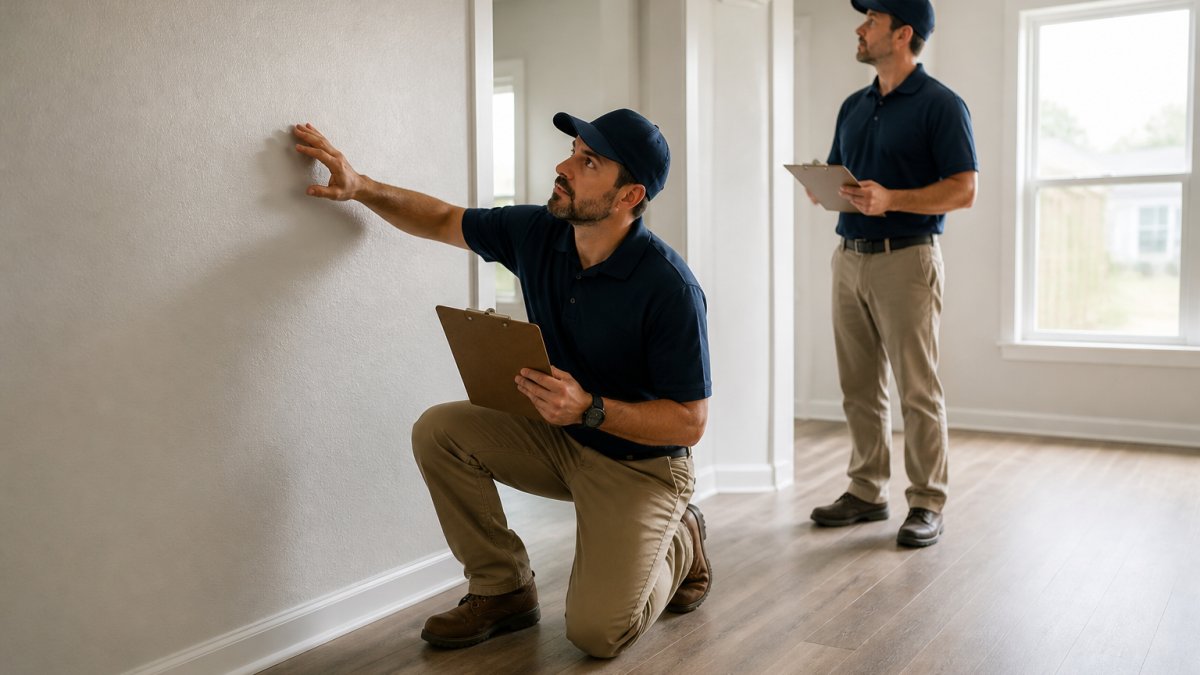
The turnover process begins with a thorough inspection. Walk through the unit systematically, documenting all damage, stains, odors, and wear. Photograph everything for your records.
Check walls for holes, scuffs, and stains. Examine flooring for damage, stains, or excessive wear. Test all plumbing fixtures, electrical outlets, and appliances. Look for signs of water damage, mold, or pest activity. This inspection informs your repair scope and budget for turnover work.
Coordinated repairs and painting
Once you’ve identified needed repairs, coordinate the work efficiently. Drywall patches, water damage restoration, and painting should be done together to ensure seamless results.
Many landlords use property maintenance services providers who consolidate drywall, painting, and related repairs under one accountable team. This eliminates the coordination burden of managing multiple trades and reduces the risk of miscommunication or quality inconsistencies. The result is faster turnover and a unit that shows well to prospective tenants.
Selecting the Right Maintenance Provider
Choosing reliable maintenance providers is one of the most important decisions a landlord makes. The right provider reduces turnover time, maintains property quality, and responds promptly to tenant requests.
Vetting contractors and service agreements
Before hiring any contractor, verify their credentials. Check that they hold appropriate licenses for the work they perform, electrical work requires an electrician’s license, plumbing requires a plumber’s license.
A service agreement should specify response times, pricing terms, and accountability for quality. Will they guarantee their work? What happens if a repair fails within a certain period?
At HandyFixNow, we emphasize written pricing and transparent communication before work begins. This approach eliminates surprises and builds trust with property owners.
Insurance, licensing, and accountability
Verify that your contractor carries liability insurance and workers’ compensation coverage. This protects you if someone is injured on the property or if damage occurs during repairs.
Licensing requirements vary by trade and jurisdiction, but they exist for good reason, they ensure contractors have demonstrated competency.
Accountability is the final piece. A reputable contractor stands behind their work, responds to callbacks, and addresses problems promptly. If a repair fails shortly after completion, they should fix it at no charge.
Work-Order Coordination and Maintenance Tracking
Managing tenant requests and coordinating repairs efficiently requires systems and processes. Without structure, maintenance requests get lost, response times slip, and tenants become frustrated.
Managing tenant requests efficiently
Establish a clear process for tenants to submit maintenance requests. Many landlords use online portals, email, or a dedicated phone line. Document every request with the date, description, tenant contact information, and location.
Prioritize requests by urgency. Emergency repairs affecting safety or habitability go first. Non-urgent cosmetic issues wait longer. Communicate with tenants about timelines, tell them when you received their request and when you expect repairs to be completed. This transparency reduces frustration and disputes.
Technology and documentation systems
Maintenance tracking software simplifies coordination. These systems allow tenants to submit requests, track status, and receive updates.
Documentation serves multiple purposes. It protects you in disputes about whether repairs were made. It helps you plan future maintenance by showing which systems fail repeatedly.
Many property managers use integrated platforms that combine work-order management, tenant communication, and financial tracking. These systems reduce administrative burden and improve response times.
Managing property maintenance services for rental units requires balancing preventive work, emergency response, tenant communication, and vendor coordination.
At HandyFixNow, we understand that coordinating multiple trades, drywall repair, painting, water damage restoration, creates headaches. Whether you’re managing a single rental property or a portfolio, efficient maintenance services keep units tenant-ready and protect your investment. Get a Free Estimate and see how consolidating your maintenance needs simplifies your landlord responsibilities.
Frequently Asked Questions
What does a property maintenance company do for rental units?
Property maintenance services handle routine upkeep, emergency repairs, work-order coordination, and turnover preparation. They manage plumbing, electrical, HVAC, drywall, painting, and exterior work. A reliable provider consolidates these services under one accountable crew, eliminating the need to coordinate multiple contractors. They handle tenant requests, document work completed, and ensure the property remains in safe, rentable condition.
What are a landlord’s legal maintenance responsibilities?
Landlords must maintain rental properties to meet habitability standards set by state and local housing codes. This includes providing working plumbing, electrical systems, heat, and safe structures free of hazards. Failure to meet these timelines can result in tenant rights to withhold rent or break the lease.
How much should I budget for rental property maintenance and repairs annually?
Actual costs depend on the property’s age, tenant turnover, and local labor rates. Preventive maintenance reduces emergency repair costs significantly.
What should be included in a rental property maintenance checklist?
A complete checklist covers HVAC filter changes quarterly, plumbing inspections, electrical safety checks, roof and gutter cleaning, exterior waterproofing, lawn care, and pest control. Spring includes AC servicing and outdoor prep; fall includes furnace checks and weatherproofing. Document every inspection and repair with photos and dates. Preventive maintenance catches problems before they become costly emergencies and protects your rental property investment.
How do I choose a reliable property maintenance provider?
Verify licensing, insurance, and bonding before hiring. Request references from other landlords and check reviews. Confirm the provider offers written estimates, clear pricing before work begins, and a service-level agreement defining response times. Ask whether they coordinate multiple trades under one crew to eliminate communication gaps. Get a free estimate and compare their accountability practices, not just price.
What is rental property turnover maintenance and why does it matter?
Turnover maintenance prepares a unit for the next tenant after move-out. It includes inspecting for damage, coordinating repairs, refreshing paint, and ensuring all systems work. Fast, coordinated turnover reduces vacancy time and protects your property value. A single crew handling drywall repairs and painting together prevents delays and ensures texture and color consistency. Proper turnover also strengthens tenant satisfaction and reduces security deposit disputes.

Leave a Reply