Last Updated: October 25, 2026
Quick Summary
A Big Family Painting alternative is a single-crew contractor that handles both drywall repair and painting together, eliminating coordination delays and texture mismatches that occur when separate trades work on the same project. This approach provides one timeline, one point of contact, and automatic accountability for the complete job.
- HandyFixNow keeps drywall and painting crews under one roof to solve coordination problems and ensure texture matching.
- Ask contractors how they handle texture matching, what happens if additional damage is found, and request references from recent projects.
- A complete estimate should itemize square footage, number of coats, paint brand, surface prep steps, and drywall repair separately from painting labor.
- Surface condition, paint quality, number of coats, and prep work are the main factors that move painting prices up or down.
- One crew handling drywall repair and painting eliminates scheduling conflicts, reduces project delays, and prevents finger-pointing between trades.
Table of Contents
- Why Homeowners Search for Big Family Painting Alternatives
- HandyFixNow: One Crew, Complete Accountability
- Questions to Ask a Painting Contractor Before You Hire
- Understanding House Painting Estimates and What They Include
- Cost to Paint 1,000 Square Feet: What Affects Your Price
- Drywall Repair and Painting: Why a Single Crew Matters
- Get Your Free Estimate Today
- Frequently Asked Questions
Why Homeowners Search for Big Family Painting Alternatives
When you need drywall repair and painting done, coordination becomes your biggest headache. You call the drywall contractor, who patches and sands. Days later the painter shows up and the texture doesn’t match. Communication breaks down, timelines slip, and a two-week project stretches to two months.
This is exactly why homeowners search for a Big Family Painting alternative. They’re not rejecting the work, they’re rejecting the coordination nightmare. A single crew handling both drywall repair and painting eliminates these friction points: one timeline, one point of contact, no finger-pointing.
The real issue isn’t skill, it’s that managing multiple trades requires constant follow-up and rescheduling. When one crew owns the project start to finish, accountability is automatic: no “that’s not my job” conversation, and no texture mismatch because the same team that patched the wall is painting it.
HandyFixNow: One Crew, Complete Accountability
HandyFixNow operates on a different model than traditional painting companies. Instead of subcontracting to separate drywall and painting teams, they keep both trades under one roof.
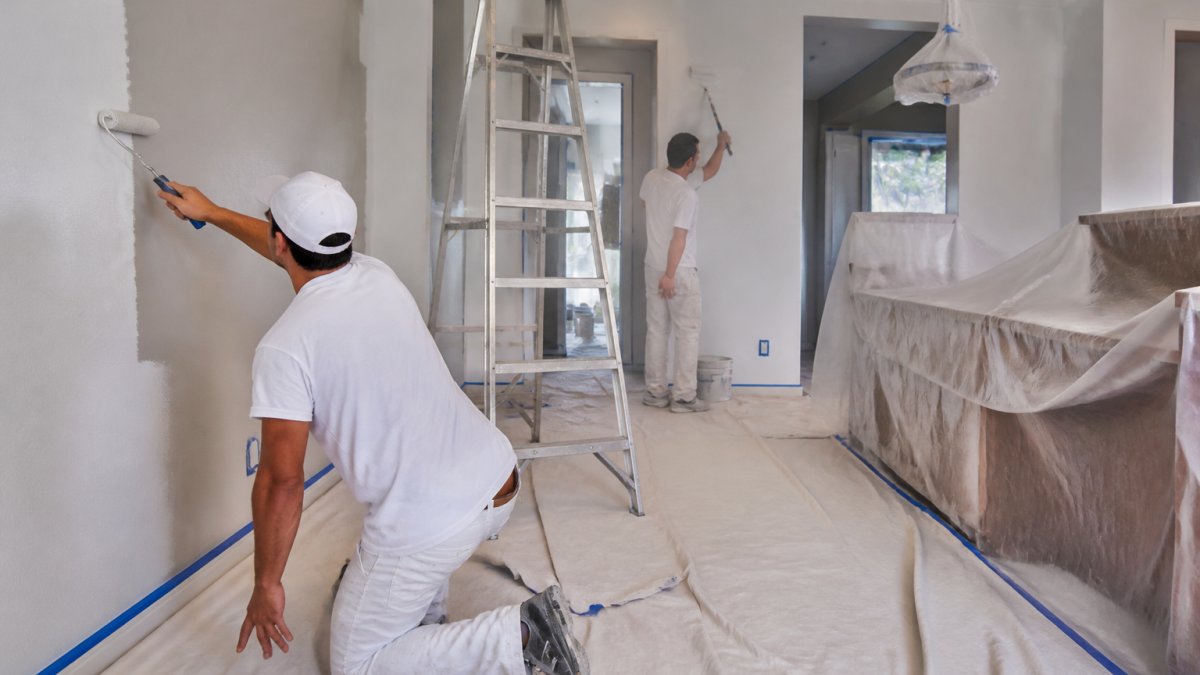
This solves the coordination problem directly. When the drywall crew and painting crew are the same people, texture matching isn’t a guessing game, they know exactly what finish they created and the wall’s condition before paint goes on.
The team provides written pricing before work begins, so there are no surprise invoices after “hidden issues” surface. They handle drywall repair, ceiling and water damage restoration, interior and exterior painting, and bathroom remodeling.
Free estimates are available with no obligation to book, letting you compare their approach against traditional painting companies without commitment. Our services cover the full range of home repair and painting needs across South Florida, and interior painting and exterior painting are handled by the same accountable team.
Questions to Ask a Painting Contractor Before You Hire
Before committing to any painting contractor, including a Big Family Painting alternative, ask these questions to understand how they work.
How do you handle texture matching on drywall patches? This is where most painting jobs fail. Ask for examples of patched walls under different lighting.
What’s your process if you find additional damage once you start? Many contractors use this to inflate the bill. Reliable ones photograph the damage, explain what needs to be done, provide a revised estimate, and wait for your approval before proceeding.
Do you protect floors and furniture, or do I need to clear the space? Professional crews should provide drop cloths, plastic sheeting, and protective coverings. If they expect you to protect your own floors, that’s a sign they’re cutting corners.
Can you provide references from recent projects? Ask for three to five homeowners who had similar work done in the last six months. Call them. Ask specifically about timeline accuracy, cleanliness during the job, and whether the final result matched what was promised.
What’s your warranty or guarantee on the work? Reputable contractors stand behind their paint jobs and patching.
Understanding House Painting Estimates and What They Include
A painting estimate should break down exactly what you’re paying for. Most homeowners compare only the bottom-line number, which is why so many projects end with change orders and surprise invoices.
A complete estimate should specify square footage, number of coats, paint quality, surface prep, and any repairs needed before painting. It should separate labor from materials and itemize drywall repair separately from painting labor.
The line items a usable estimate should show
- Measured wall and ceiling square footage, room by room
- Number of coats specified for walls, ceilings, and trim
- Paint brand, product line, and sheen for each surface
- Surface preparation steps: washing, sanding, filling nail holes, caulking gaps, priming stains
- Drywall repair scope: patch size, texture matching method, and primer
- Trim, door, and window counts priced separately from wall area
- Protection and cleanup: drop cloths, plastic sheeting, daily cleanup, final debris removal
- Payment schedule and any deposit amount
If an estimate says “prep included” without explaining what that means, ask for specifics: filling nail holes? Caulking gaps? Sanding glossy surfaces? Priming stains?
How to compare two estimates fairly
To compare quotes fairly, make sure every contractor prices the same scope.
Ask each contractor to quote the same written scope of work. Give every bidder the same room list, the same paint product, and the same repair list. Apples-to-apples bids expose the real price difference.
What a written contract should add beyond the estimate
The estimate is a price document; the contract is the risk document.
Red flags in an estimate
- A single lump-sum price with no square footage or room breakdown
- No paint brand or product line named
- “Prep included” with no description of steps
- No mention of drywall repair or texture matching when patching is clearly needed
- A large deposit requested before any written scope is signed
- No warranty language and no license or insurance information
Cost to Paint 1,000 Square Feet: What Affects Your Price
The cost to paint 1,000 square feet varies significantly based on several factors.
Benchmark ranges for 1,000 square feet
For interior wall painting, pricing depends on surface condition, prep needs, and materials. Ceilings and trim are usually priced separately.
Exterior painting often requires more extensive surface prep, height access, and weather-resistant coatings than interior painting. Siding type, number of stories, and scraping and priming can influence the cost.
Treat any per-square-foot range as a planning tool only. Two homes with the same square footage can differ by thousands of dollars because of prep, access, and paint product. Always compare written, itemized estimates.
What moves the price up or down
- Surface condition. A smooth, well-maintained wall costs less than one with stains, damage, or glossy finishes. Stain-blocking primer, sanding, and patching add labor hours.
- Paint quality and type. Interior latex costs less than specialty finishes like semi-gloss or high-durability coatings. Exterior paint costs more because it must resist UV damage and weather. Premium products cost more upfront but often cover better and last longer.
- Number of coats. Most jobs require two coats for even color coverage. Painting a light shade over a bold color may require three. Each additional coat adds labor and material cost.
- Prep work and repairs. Filling holes, sanding, caulking, and priming are where bids diverge most. Drywall patching, water damage repair, and ceiling restoration add significantly to the total.
- Trim and detail work. Painting around windows, doors, baseboards, and crown molding is slower than rolling open wall space, so it is priced higher per square foot.
- Access and height. Two-story foyers, vaulted ceilings, and tight stairwells require ladders, scaffolding, or lifts, which add labor time.
- Occupancy. Painting an empty home is faster than moving and protecting furniture in an occupied one.
How drywall repair changes the total
Drywall repair is the line item most often missing from a painting quote, and it most often causes a mid-project price increase.
A simple way to sanity-check a quote
Divide the total by the measured square footage to get an effective per-square-foot price, then compare it against the scope: coats, paint product, prep, and whether drywall repair is included.
Consumer Reports’ recommendations for hiring painting contractors stress verifying insurance, licensing, and written estimates before work begins, and those same checks apply when you compare the numbers on a bid.
Drywall Repair and Painting: Why a Single Crew Matters
Coordinating separate drywall and painting contractors creates delays, communication gaps, and quality problems. One crew handling both trades makes the process simpler and faster.
With separate contractors, the drywall specialist patches and leaves. Days later the painter discovers the texture doesn’t match, the primer wasn’t applied, or the dust wasn’t cleaned.
When a single crew handles drywall repair and painting, this friction disappears.
For water damage repairs, this integration is especially valuable. Water-damaged drywall, ceiling restoration, and painting must happen in sequence, moisture can cause paint to fail, and primer must go on before paint.
One Company or Separate Drywall and Painting Pros? addresses this comparison directly. The article explains why single-crew coordination eliminates scheduling delays and ensures quality consistency.
For property managers handling multiple units or homeowners managing bathroom remodels, a single accountable crew can streamline project timelines compared to coordinating separate trades.
Get Your Free Estimate Today
Finding the right contractor for drywall repair and painting requires more than comparing price. You need a team that understands texture matching, communicates clearly, and takes responsibility for the entire project.
HandyFixNow provides exactly that. One crew handles drywall repair, ceiling restoration, water damage, and interior or exterior painting, with written pricing before work begins, protected job sites, and accountability from a single source, no coordination headaches, no finger-pointing between trades.
Get a quote for your drywall and painting project. Describe what needs to be done, whether it’s a small patch, water damage repair, or a complete bathroom remodel, and receive a free, no-obligation estimate.
The difference between a smooth project and a frustrating one often comes down to how many contractors you’re managing.
| Consideration | Single Crew | Separate Contractors |
|---|---|---|
| Texture matching | Direct responsibility | Coordination required |
| Timeline predictability | One schedule to manage | Multiple scheduling conflicts |
| Quality accountability | One point of contact | Finger-pointing between trades |
| Surface prep consistency | Controlled by same team | Depends on communication |
| Project delays | Minimized | Common |
| Final invoice clarity | One bill, no surprises | Multiple invoices, potential add-ons |
The National Association of Home Builders guidance on contractor selection emphasizes the importance of clear communication and single-point accountability on home improvement projects. Consumer Reports’ recommendations for hiring painting contractors stress verifying insurance, licensing, and written estimates before work begins. The Better Business Bureau standards for service providers recommend checking contractor history and customer feedback before committing to any project.
Frequently Asked Questions
What should I look for in a Big Family Painting alternative?
Look for contractors offering written estimates before work begins, licensed and insured credentials, verified customer reviews with response to complaints, and experience with your specific project type. If you need drywall repair and painting together, verify the contractor can handle both trades with one crew to avoid coordination problems. Ask about texture matching capability if your home has existing wall finishes. Check service-area availability for your location.
How do I compare painting estimates from different contractors?
Request written estimates that break down labor, materials, and prep work separately. Verify each estimate covers the same scope: square footage, number of coats, primer use, texture matching, and cleanup. Ask whether estimates include protection of floors and furniture. Compare timeline commitments and warranty terms. Be cautious of estimates significantly lower than others, as they may omit preparation steps or use lower-quality materials. Request references from recent similar projects.
What questions should I ask a painting contractor before hiring?
Ask about licensing, insurance, and how long they’ve been in business. Request specifics on texture matching if needed, timeline for completion, and whether they guarantee their work in writing. Ask how they protect your home during painting and what happens if they find additional damage once work starts. Inquire about their process for addressing customer concerns and whether they provide a written contract with a fixed price or a detailed estimate. Ask for references from similar recent projects.
How much does it cost to paint 1,000 square feet?
Pricing depends on surface condition, number of coats needed, wall texture, prep work required, and local labor rates. Interior walls typically cost less than exterior surfaces. If drywall repair or ceiling work is needed first, that adds to the total. The best approach is to request a free written estimate from contractors in your area, as they can assess your specific walls and provide accurate pricing based on actual conditions.
